Home › Guides › Mice in the house: signs and what to do
Mice in the house: signs and what to do
Updated October 2026
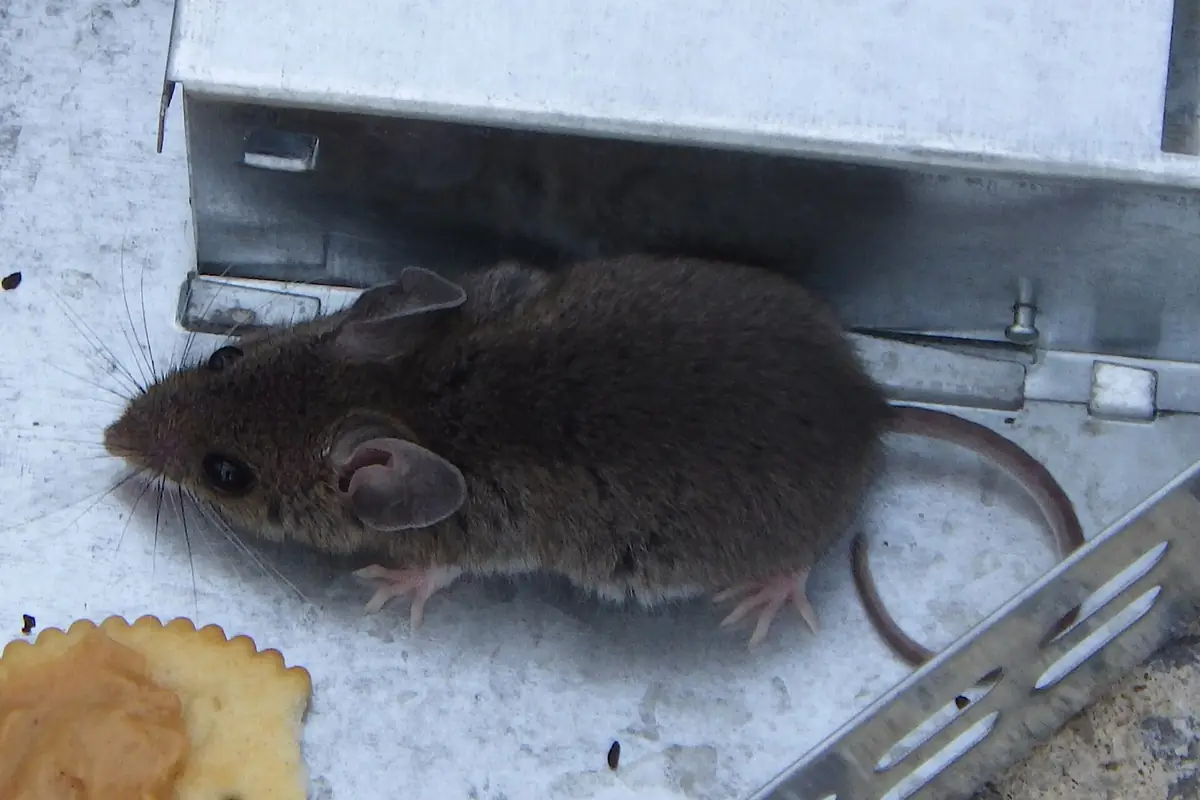
The house mouse is the most common pest in UK homes. Mice move indoors as the weather turns colder, usually from September onwards, and a pair can quickly become a large group because females can breed every few weeks.
Signs of mice
- Droppings about the size of a grain of rice, often along skirting boards, in cupboards and behind the cooker
- Scratching or scurrying in walls, ceilings or under floors, especially at night
- Gnawed packaging, chewed cables and shredded paper used for nests
- A stale, ammonia-like smell in cupboards or under units
Why it matters
Mice contaminate food and surfaces with urine and droppings, and they chew through wiring, which is a fire risk. They can carry bacteria such as salmonella.
What you can do yourself
- Store food in sealed containers and clean up crumbs, pet food and bird seed
- Block gaps around pipes and under doors. A mouse can get through a gap about the width of a pen
- Snap traps set along walls, where mice run, can deal with one or two mice
When to call a professional
If you keep seeing fresh droppings after a week or two, hear activity in several rooms, or the mice are in a flat with shared walls, call a pest controller. They can find the entry points, treat the whole area safely and proof the gaps so the mice don't come back.
Need help?
Use the form to send a free enquiry. We'll pass it to an independent local pest control provider.