Home › Guides › Anti-snap locks explained
Anti-snap locks explained
Updated October 2026
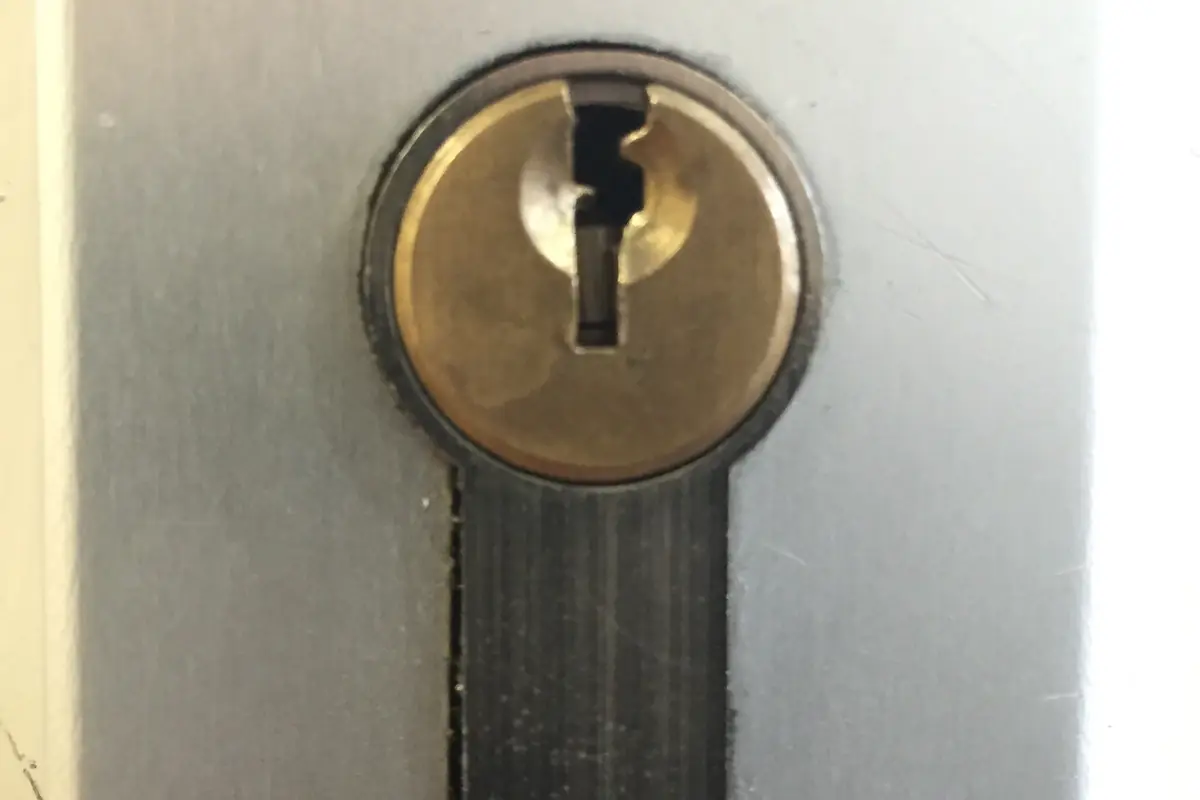
Most uPVC, composite and many aluminium doors use a euro cylinder lock. Older, basic cylinders can be snapped in the middle with simple tools, letting a burglar open the door in less than a minute. This is known as lock snapping.
How to check your lock
- Look at the face of the cylinder for a kitemark and markings such as TS007 with three stars, or SS312 Diamond.
- If the cylinder sticks out more than a few millimetres past the handle, it's easier to attack.
- No markings usually means a basic cylinder.
What the ratings mean
TS007 3-star cylinders are tested to resist snapping, bumping, picking and drilling. A 1-star cylinder can also meet the standard when fitted with 2-star security handles. SS312 Diamond is a Sold Secure standard tested against a wider set of attacks.
Upgrading
Swapping a cylinder is usually quick and you keep the rest of the lock. The locksmith measures the cylinder so the new one sits flush. Check what your home insurance requires: some policies ask for specific standards on final exit doors.
Need help?
Use the form to send a free enquiry. We'll pass it to an independent local locksmith provider.